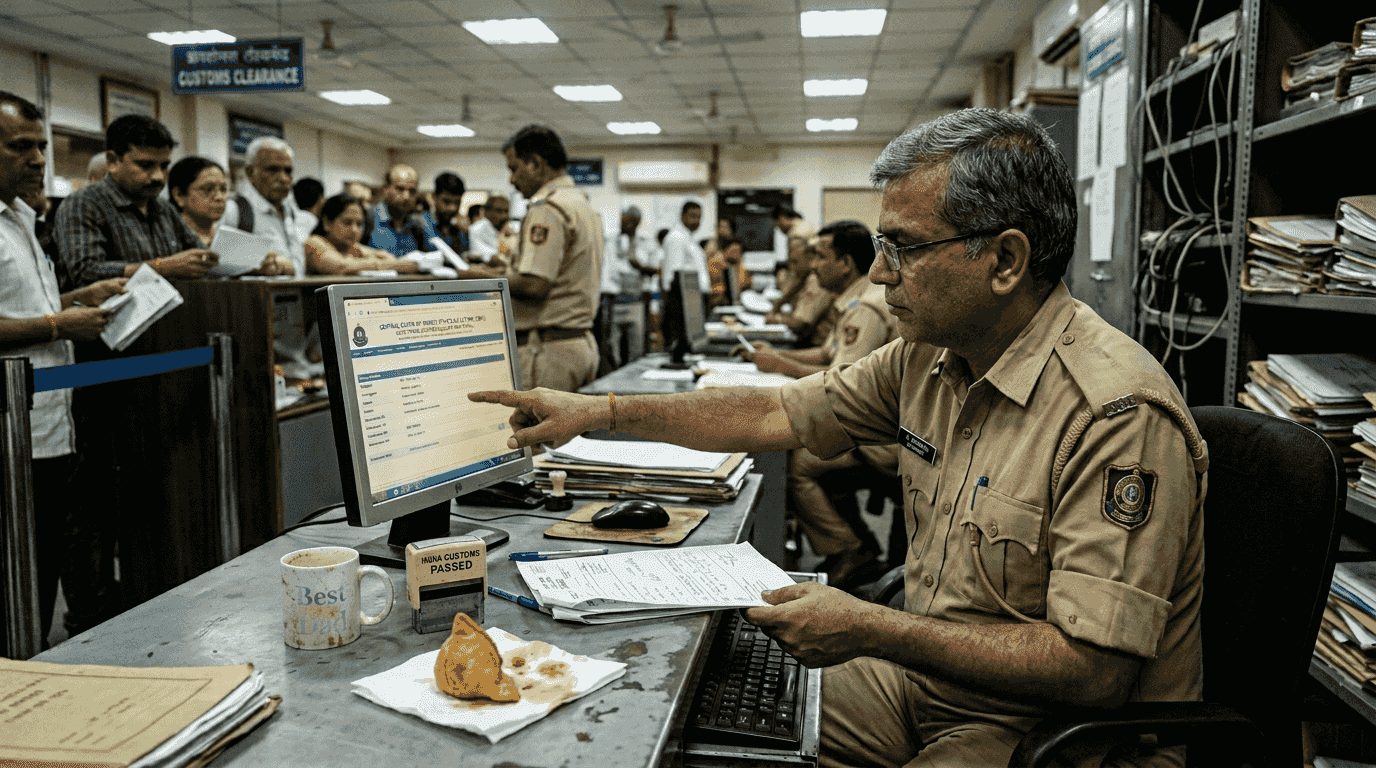
As you prepare to ship goods internationally, understanding India's latest customs regulations is vital for a smooth process. Shipping to India requires navigating updated customs rules effective 2026. Individuals and small businesses face challenges with paperwork, duties, and compliance. This article provides a clear customs checklist tailored for Canadian shippers to India in 2026, helping you avoid delays, reduce costs, and ensure your shipments clear customs without hassle.
Table of Contents
- Criteria for shipping goods to India: understanding customs requirements in 2026
- Methods for fulfilling Indian customs declarations electronically
- Comparing customs duties, allowances, and prohibited items for shipments to India in 2026
- Final checklist and best practices for Canadian shippers to India in 2026
- Reliable shipping solutions for Canada-to-India shipments
Key takeaways
| Point | Details |
|---|---|
| Updated 2026 baggage rules | New regulations effective February 2026 govern duty-free limits and electronic declaration requirements for all shipments. |
| Increased duty-free allowance | Eligible residents and foreigners now enjoy ₹75,000 duty-free allowance, up 50% from previous limits. |
| Mandatory electronic declaration | All shippers must file customs declarations via ICEGATE or Atithi app before shipment arrival. |
| Reduced customs duty rates | Basic customs duty on personal goods dropped to 10% in 2026, cutting import costs in half. |
| Prohibited goods awareness | Firearms, excess alcohol, tobacco, and certain electronics are restricted or banned from import as baggage. |
Criteria for shipping goods to India: understanding customs requirements in 2026
Navigating Indian customs successfully starts with understanding the Baggage Rules, 2026, notified by CBIC that govern duty-free allowances and baggage declarations effective 2 February 2026. These updated regulations introduce significant changes that directly impact how Canadian shippers prepare and declare their goods.
The most notable improvement is the general free allowance of ₹75,000 provided for residents, tourists of Indian origin, and eligible foreigners arriving by air or sea. This represents a substantial increase from previous limits, giving you more flexibility when shipping personal items, gifts, or small business goods. Foreign tourists receive a lower allowance of ₹25,000, so understanding your eligibility category is crucial.
Electronic declaration through ICEGATE or the Atithi mobile app is now mandatory for all accompanied and unaccompanied baggage. This digital-first approach streamlines customs processing and reduces paperwork burdens. You must file your declaration before your shipment arrives in India, providing detailed information about item descriptions, values, and intended use.
Certain goods face strict restrictions or outright bans. Firearms, cartridges, excessive quantities of cigarettes (over 100 sticks), alcohol exceeding 2 liters, gold, and specific electronics like televisions cannot be imported as baggage under the 2026 rules. Violating these restrictions results in confiscation, penalties, or criminal charges.
Proper documentation is your best defense against clearance delays. Keep commercial invoices, receipts, permits for restricted items, and proof of ownership readily available. When shipping used personal effects or travel souvenirs, clear labeling helps customs officers verify your declarations quickly. Shippzy can assist with organizing these documents to meet Indian customs standards.
Pro Tip: File your electronic customs declaration at least 24 hours before your shipment's expected arrival in India. This advance filing allows customs officers to review your declaration and flag any issues before physical inspection, significantly reducing clearance time.
With the basics clarified, let's examine your options for complying with these customs requirements when shipping to India.
Methods for fulfilling Indian customs declarations electronically
The Customs Baggage Declaration and Processing Regulations, 2026 mandate electronic declaration through ICEGATE or Atithi app from 2 February 2026, replacing paper-based systems with efficient digital platforms. Understanding how to use these tools correctly ensures your shipment clears customs without unnecessary delays or penalties.
Two official platforms handle all customs declarations. The ICEGATE website serves as the primary portal for detailed declarations, offering comprehensive forms and document upload capabilities. The Atithi mobile app provides a streamlined option for travelers and shippers who prefer mobile-first solutions, with simplified interfaces and quick submission features.
Follow this step-by-step process to file your declaration correctly:
- Create your profile on ICEGATE or download the Atithi app and register using valid identification documents.
- Select the declaration type based on whether your goods are accompanied baggage (traveling with you) or unaccompanied baggage (shipped separately).
- Itemize each product in your shipment with accurate descriptions, quantities, values in Indian rupees, and country of origin.
- Upload supporting documents including invoices, receipts, permits for restricted items, and any certificates of authenticity.
- Review your declaration carefully for accuracy, then submit electronically before your shipment's arrival date.
- Save your declaration reference number for tracking and presenting to customs officers upon arrival.
Advance filing offers significant advantages. You can submit your declaration up to 72 hours before arrival and make updates or corrections until the shipment reaches Indian customs. This flexibility allows you to refine item descriptions, add forgotten items, or correct valuation errors without penalties.
Both platforms generate a digital receipt and QR code upon successful submission. Present this code to customs officers during inspection to expedite processing. Officers can scan the code to instantly access your complete declaration, reducing manual verification time.
Proper use of these digital tools minimizes inspection delays and avoids fines for non-compliance. Incomplete or inaccurate declarations trigger mandatory physical inspections, adding days to clearance times. Shippzy offers guidance on electronic filing procedures to ensure your declarations meet all technical requirements.
Pro Tip: Take screenshots of your completed declaration and save all confirmation emails. If technical issues arise at customs, having offline proof of your submission prevents disputes and demonstrates your compliance efforts.
Now that you know how to declare your shipment electronically, let's compare duty rates and prohibited items to prepare your shipment checklist.
Comparing customs duties, allowances, and prohibited items for shipments to India in 2026
Understanding the financial implications of your shipment requires examining duty-free thresholds, applicable tax rates, and restricted goods categories. The 2026 regulations introduce favorable changes that reduce costs for most Canadian shippers while maintaining strict controls on sensitive items.
Budget 2026 reduces basic customs duty on personal goods from 20% to 10%, cutting import costs in half for individuals and small businesses. This reduction applies to goods exceeding your duty-free allowance, making it more affordable to ship higher-value items to India.
| Category | Duty-Free Allowance | Customs Duty Rate | Special Conditions |
|---|---|---|---|
| Residents and tourists of Indian origin | ₹75,000 | 10% on excess value | Must arrive by air or sea |
| Foreign tourists | ₹25,000 | 10% on excess value | Valid tourist visa required |
| Used personal effects | No limit | Usually duty-free | Must prove prior ownership |
| New laptop (one unit) | Duty-free | N/A | Passenger must be 18+ years |
| Professional equipment | Case-by-case | 10% or specialized rate | Requires carnet or permit |
The duty-free allowance raised to ₹75,000 represents a 50% increase from 2025 limits, giving you substantially more room to ship personal items, gifts, and small business inventory without incurring duties. Calculate your shipment's total value carefully, including freight costs and insurance, as customs bases duty calculations on the complete landed cost.
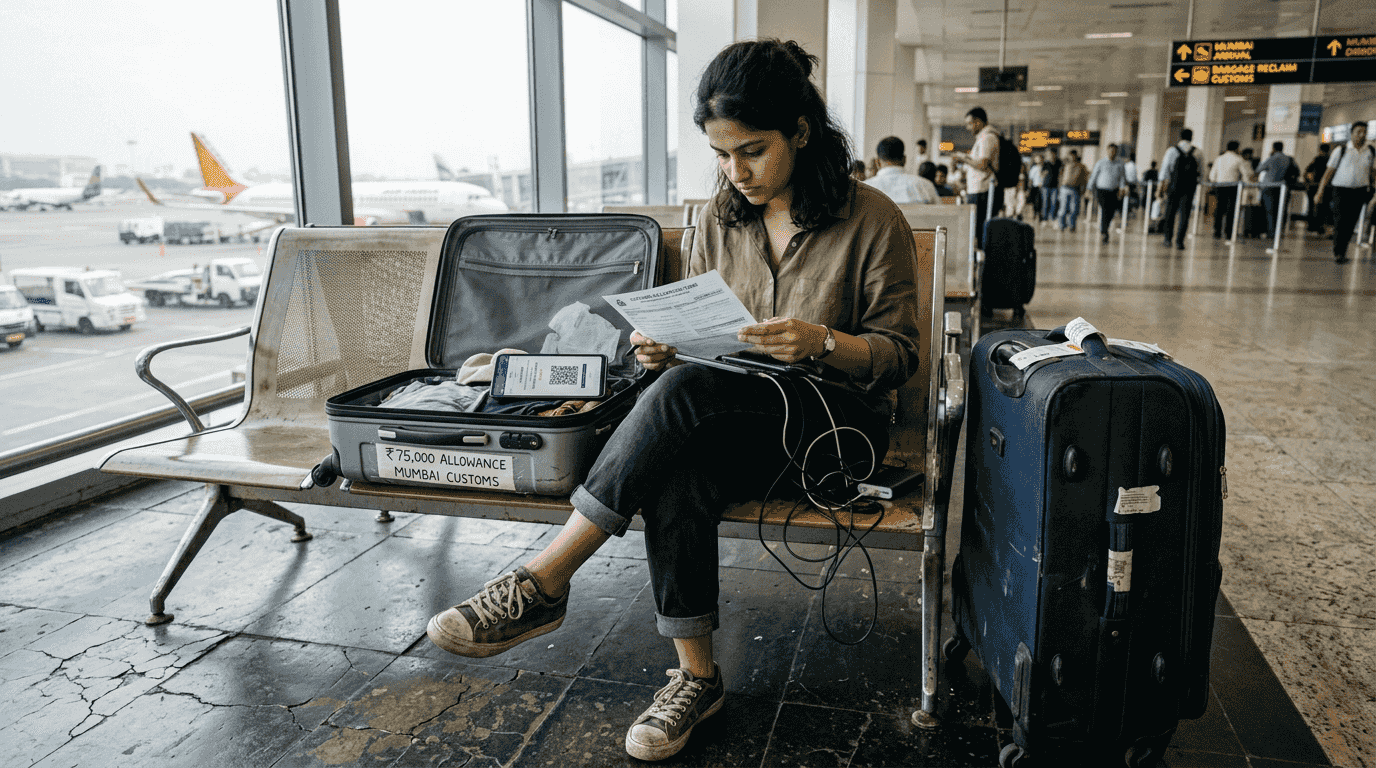
Goods prohibited for import as baggage include firearms, cartridges, cigarettes beyond 100 sticks, alcohol exceeding 2 liters, and televisions with specific quantity limits. Gold and silver in certain forms also face restrictions, requiring special permits or falling outside baggage allowances entirely.
Common items that clear duty-free include:
- Used clothing, books, and household items clearly for personal use
- Travel souvenirs and gifts purchased during trips, within allowance limits
- One laptop or tablet per passenger over 18 years old
- Professional tools and equipment with proper documentation proving temporary import
- Samples for business purposes in reasonable quantities with commercial invoices
Passengers can bring one new laptop duty-free if over 18 years old, a provision particularly valuable for business travelers or individuals relocating. This exemption does not count against your ₹75,000 allowance, effectively increasing your duty-free capacity.
Used personal effects and travel souvenirs typically clear free of duty when you can demonstrate prior ownership or purchase during travel. Keep receipts, photographs showing items in use before shipping, or other evidence to support your claims during customs inspection.
Pro Tip: When shipping items near the ₹75,000 threshold, consider splitting shipments across multiple arrivals if timing permits. Each qualifying passenger receives the full allowance, so coordinating with family members or business partners can maximize duty-free capacity legally.
With a clear understanding of duty rates and restrictions, let's finalize your customs checklist to ensure a smooth shipment process.
Final checklist and best practices for Canadian shippers to India in 2026
Successful customs clearance depends on thorough preparation and attention to regulatory details. The Baggage Rules 2026 modernize baggage provisions and enhance compliance with digital tools and clear guidelines, but you must actively implement these requirements to benefit from streamlined processing.
Prepare all necessary permits and invoices before shipping. Commercial shipments require detailed invoices showing item descriptions, harmonized system codes, unit prices, and total values. Restricted items need import permits from relevant Indian authorities, obtained weeks in advance. Missing documentation is the primary cause of shipment delays at Indian customs.
Complete electronic customs declaration ahead of shipment arrival using ICEGATE or Atithi app. File at least 24 hours early to allow customs officers time for preliminary review. Double-check all item descriptions for accuracy, as vague entries like "miscellaneous goods" trigger mandatory inspections.
Package goods clearly with external labels showing contents and values. Use sturdy boxes with adequate padding to prevent damage during international transit and customs inspection. Separate prohibited items from your shipment entirely, as their presence contaminates the entire package and may result in seizure.
Know prohibited and restricted items to prevent shipment rejection or penalties. Review the official lists published by CBIC before finalizing your shipment contents. When uncertain about an item's status, consult with customs brokers or Shippzy for expert guidance.
Utilize the increased duty-free allowance and reduced duty rates to lower shipping costs. Structure your shipments to maximize the ₹75,000 threshold by combining personal items with small business goods when eligible. Calculate potential duty costs in advance using the 10% rate on excess values to budget accurately.
CBIC instructs customs zones to publish FAQs clarifying duties, KYC requirements, fees, and grievance processes for personal imports and gifts. Review these resources regularly, as customs policies evolve with trade agreements and regulatory updates.
Additional best practices include:
- Maintain copies of all shipping documents, declarations, and receipts for at least three years
- Photograph high-value items before shipping to document condition and prove ownership
- Declare gifts accurately with recipient information and relationship details
- Use recognized carriers with customs clearance expertise like those partnered with Shippzy
- Track your shipment in real-time to anticipate customs inspection schedules
- Respond promptly to customs queries or requests for additional documentation
Pro Tip: Establish a relationship with a reliable customs broker in India if you ship regularly. Brokers navigate complex clearance procedures, communicate with customs officers on your behalf, and resolve issues faster than individual shippers can manage independently.
Having equipped you with a step-by-step checklist, let's look at how we can support your shipping needs.
Reliable shipping solutions for Canada-to-India shipments
Navigating 2026 customs regulations becomes significantly easier when you partner with experienced logistics providers who understand both Canadian export requirements and Indian import procedures. Shippzy offers streamlined customs documentation and electronic declaration support, handling the technical filing process so you can focus on your business or personal shipping needs.
Affordable shipping rates tailored for individuals and small businesses make international logistics accessible without enterprise-level budgets. Through partnerships with DHL, FedEx, UPS, and other major carriers, Shippzy compares multiple service options to find the best combination of speed, reliability, and cost for your specific shipment requirements.
Expertise in navigating 2026 customs rules ensures faster clearance and fewer surprises. The team stays current with regulatory changes, prohibited item updates, and duty rate adjustments, proactively advising you on compliance requirements before your shipment leaves Canada. This forward-thinking approach prevents costly delays and reduces the risk of penalties.
Modern tracking and customer support remain available throughout your shipment journey. Real-time updates show exactly where your package is in the customs clearance process, while dedicated support representatives answer questions and resolve issues quickly. Whether you need help with electronic declarations, valuation calculations, or documentation requirements, Shippzy's shipping services from Canada to India provide the guidance and tools for successful international shipping.
FAQ
How do I file a customs declaration for shipments to India?
Electronic declaration of accompanied and unaccompanied baggage through ICEGATE or Atithi app is mandatory starting 2 February 2026. Create an account on either platform, itemize your goods with accurate descriptions and values, upload supporting invoices and permits, then submit before your shipment arrives in India. Save your confirmation number and QR code for presenting to customs officers. Shippzy can guide you through the electronic filing process to ensure compliance.
What goods are prohibited or restricted when shipping to India?
Goods prohibited include firearms, cigarettes beyond 100 sticks, alcohol over 2 liters, gold, and televisions per baggage rules 2026. Certain electronics, excessive quantities of consumer goods suggesting commercial intent, and items violating intellectual property rights also face restrictions. Check the official CBIC prohibited goods list before finalizing your shipment contents, as violations result in confiscation, fines, or criminal prosecution depending on severity.
How much duty-free allowance do I get when shipping items to India in 2026?
The general duty-free allowance is ₹75,000 for residents and eligible foreigners, and ₹25,000 for foreign tourists as per 2026 rules. This allowance applies to goods arriving by air or sea and covers personal items, gifts, and travel souvenirs. Used personal effects typically clear duty-free regardless of value when you prove prior ownership. One laptop per passenger over 18 years old also enters duty-free without counting against your allowance.
What are the updated customs duty rates for personal goods in India as of 2026?
Budget 2026 reduces basic customs duty on personal goods from 20% to 10%, easing import costs significantly. This rate applies to the value exceeding your duty-free allowance, calculated on the total landed cost including freight and insurance. The reduction makes shipping higher-value personal items and small business inventory more affordable for Canadian shippers, cutting duty expenses in half compared to 2025 rates.